
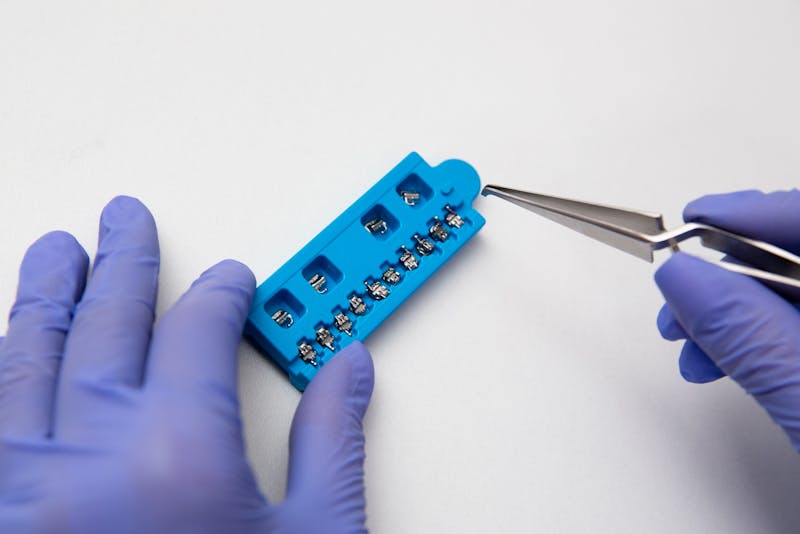
- Orthodontic braces correct misaligned teeth, improve bites, and enhance both oral health and appearance.
- The main types of braces include metal, ceramic, lingual, self-ligating, and clear aligners, each with unique benefits.
- Metal braces are durable and affordable, while ceramic and lingual braces offer more discreet options.
- Clear aligners are nearly invisible, removable, and comfortable, best suited for mild to moderate misalignment.
- Treatment time varies depending on the type of braces, the severity of misalignment, and patient compliance.
- Proper oral hygiene and following the orthodontist’s instructions are essential to ensure effective and safe results.
- Choosing the right braces depends on personal goals, lifestyle, aesthetics, and budget considerations.
Orthodontic braces are no longer just a teenage rite of passage—they are now a mainstream solution for people of all ages who want healthier, more confident smiles. With modern dental technology offering more options than ever before, choosing the right braces can feel confusing, especially for first-time patients. Understanding how each type works, what it looks like, and who it is best suited for can make the decision far easier and more empowering.
This guide explains the different types of orthodontic braces in simple, easy-to-understand terms. Whether you are curious about how braces move teeth, concerned about comfort and appearance, or trying to compare modern alternatives to traditional metal braces, this article will walk you through your options step by step.
What Are Orthodontic Braces and Why Are They Needed?
Orthodontic braces are dental devices designed to correct misaligned teeth, improper bites, and jaw positioning problems. They apply controlled pressure over time to gently move teeth into healthier and more functional positions. While braces are often associated with cosmetic improvements, their benefits extend far beyond appearance.
Misaligned teeth can contribute to uneven wear, difficulty cleaning, speech problems, and jaw discomfort. Braces help reduce these risks by creating a more balanced bite and improving oral hygiene accessibility. Orthodontic treatment can also prevent more serious dental issues from developing later in life, making braces a preventive investment as much as an aesthetic one.
Dental braces for adults have become increasingly popular, allowing people to improve both oral health and confidence regardless of age. Today’s orthodontic solutions offer multiple choices that suit different lifestyles, budgets, and personal preferences. From nearly invisible options to high-tech systems that shorten treatment time, braces have become more comfortable, discreet, and effective than ever before.
How Do Braces Actually Move Teeth?
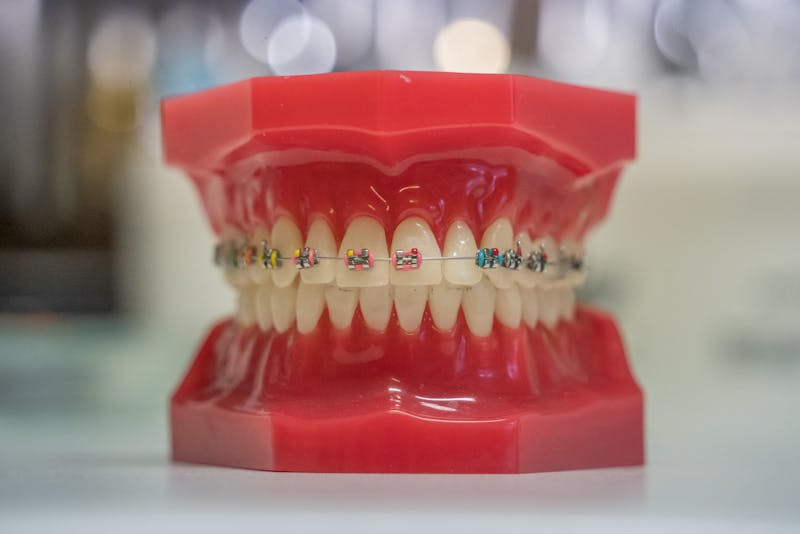
Braces work by applying continuous, gentle pressure that stimulates the bone around the teeth to remodel. This biological process allows teeth to shift gradually into new positions while maintaining stability. The movement is slow and controlled to protect tooth roots and surrounding tissues.
Each brace system uses a combination of brackets, wires, or aligners to guide this movement. As the orthodontist adjusts these components, pressure is redirected to specific teeth, encouraging them to move in precise directions. Over time, new bone forms to support the teeth in their corrected alignment.
Because everyone’s mouth is different, the length of treatment can vary widely. Factors such as age, severity of misalignment, and patient compliance all influence how quickly teeth respond to treatment. Modern braces are designed to be more efficient, making today’s orthodontic care faster and more comfortable than in the past.
Types of Orthodontic Braces Explained: Your Main Options
Choosing among the types of orthodontic braces can feel overwhelming at first, especially if you are new to orthodontic care. Each type offers distinct advantages depending on lifestyle, aesthetic preferences, treatment complexity, and budget. Some braces are designed to be nearly invisible, while others prioritize durability and affordability.
Understanding these differences can help you ask better questions during your consultation and feel more confident about your decision. Below are the main types of braces currently used in modern dentistry, explained in clear and simple terms.
Traditional Metal Braces
Metal braces are the classic choice for orthodontic treatment. They feature small stainless-steel brackets that are fixed to the front surface of each tooth, linked together by a thin metal wire. Rubber bands are then used to hold the wire in place and apply gentle pressure to guide teeth into the correct position.
Key Features:
- Highly durable and effective for complex cases
- Typically the most affordable option
- Available with colored bands for personalization
Metal braces are especially suitable for severe misalignment and bite problems. While they are more noticeable, modern designs are smaller and more comfortable than earlier versions.
Ceramic Braces
Ceramic braces work like metal braces and are designed for patients who want a less noticeable appearance without sacrificing effectiveness.
Advantages:
- Less visible than metal braces
- Effective for moderate to severe misalignment
- Suitable for teens and adults
However, ceramic brackets can be slightly more fragile and may require extra care to avoid staining. They are generally more expensive than metal braces.
Lingual Braces
Lingual braces are placed on the back (tongue side) of the teeth rather than the front. This placement makes them nearly invisible when smiling or speaking.
Why People Choose Lingual Braces:
- Barely noticeable
- Effective for complex corrections
- Customized for each patient
They may take longer to adjust to and can affect speech temporarily. Lingual braces are typically more expensive due to their customized design and placement complexity.
Self-Ligating Braces
Self-ligating braces look similar to metal or ceramic braces but use special clips instead of elastic bands to hold the wire in place. This reduces friction and allows teeth to move more freely.
Benefits Include:
- Shorter adjustment appointments
- Potentially faster treatment times
- Easier to keep clean
They are available in both metal and ceramic versions, offering flexibility in appearance.
Clear Aligners
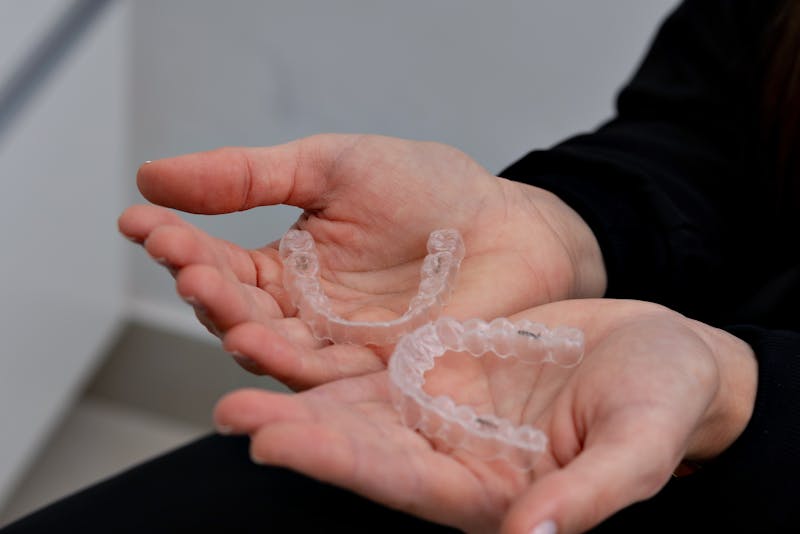
Clear aligners use a series of transparent, removable trays that gradually move teeth into place. They are custom-made and changed every few weeks to continue the alignment process.
Why Clear Aligners Are Popular:
- Nearly invisible
- Removable for eating and cleaning
- Comfortable and smooth
They work best for mild to moderate misalignment and require strict compliance to achieve results.
Which Type of Braces Is Best for You?
Choosing the right braces involves balancing comfort, visibility, effectiveness, and cost. What works well for one person may not be ideal for another. Lifestyle habits, professional image concerns, and oral health needs all play a role.
Some people prioritize discretion and choose clear aligners or lingual braces. Others prefer metal braces for their affordability and reliability. Ceramic and self-ligating braces offer middle-ground solutions for those who want improved appearance without sacrificing strength.
Consulting with an orthodontist ensures that your personal dental structure, goals, and budget are considered. A customized treatment plan leads to better long-term results and greater satisfaction.
What Are the Costs of Different Braces?
A common question among new patients is How much do braces cost, and the answer depends on several factors. The type of braces, severity of misalignment, geographic location, and treatment duration all influence the final price.
Typical Cost Ranges:
- Metal braces: Lower cost range
- Ceramic braces: Moderate cost range
- Lingual braces: Higher cost range
- Clear aligners: Moderate to high cost range
Payment plans and insurance coverage may be available to make treatment more affordable. Always ask your provider about financing options.
How Long Does Treatment Usually Take?
Treatment time depends on the severity of misalignment, the type of braces, and how well the patient follows instructions. Mild cases may take as little as six months, while more complex corrections can require two years or longer.
Clear aligners often require consistent wear to stay on schedule. Metal and self-ligating braces may provide faster results for complex movements. Your orthodontist will estimate your timeline after a full evaluation.
How to Care for Braces Properly
Maintaining good oral hygiene during orthodontic treatment is essential. Braces can trap food particles and plaque, increasing the risk of cavities and gum disease.
Care Tips:
- Brush after every meal
- Use floss threaders or water flossers
- Avoid sticky and hard foods
- Attend all scheduled checkups
Following these habits helps prevent complications and keeps treatment on track.
Are Braces Worth It?
Orthodontic braces are a long-term investment in both appearance and oral health. While treatment requires patience, the benefits last a lifetime. Straight teeth are easier to clean, function better, and contribute to improved self-confidence.
Modern orthodontic options provide more comfort, flexibility, and discreet designs than ever before. With so many choices available, finding the right solution is easier and more personalized.
Common Myths About Orthodontic Braces
Many people have misconceptions about braces, which can make the idea of orthodontic treatment feel intimidating. Understanding the truth behind these myths can help patients make informed decisions and feel more confident about starting treatment.
- Braces are only for teenagers: While braces are common among teens, adults can benefit too. Modern orthodontic options like clear aligners and ceramic braces make treatment discreet and suitable for all ages.
- Braces are extremely painful: Some discomfort is normal, especially after adjustments, but modern braces are designed to be comfortable and cause minimal pain.
- Braces take forever to work: Treatment times vary depending on the type of braces and the complexity of the case. Many patients achieve significant results within 12–18 months.
- You can’t play sports or eat normally: Protective mouthguards and minor dietary adjustments are usually sufficient, allowing patients to maintain an active lifestyle.
Understanding these myths can reduce anxiety and help patients approach orthodontic treatment with realistic expectations.
Tips for Choosing the Right Type of Braces
Selecting the best braces involves more than just appearance—it requires considering comfort, treatment efficiency, and your lifestyle. Knowing what to evaluate can make the process much smoother.
- Assess your smile goals: Decide whether you prioritize speed, aesthetics, or affordability. Some braces offer faster results, while others focus on being discreet.
- Consider your daily routine: Clear aligners are removable and convenient for eating and cleaning, but they require discipline to wear consistently. Traditional braces are fixed, which can be better for those who prefer a “set it and forget it” approach.
- Think about oral hygiene: Some braces, like ceramic or self-ligating, are easier to clean than others. Maintaining hygiene is critical to avoid cavities or gum problems during treatment.
- Consult a professional: Orthodontists can evaluate your teeth and bite, recommending the most effective treatment based on your specific dental structure.
By considering these factors, patients can make an informed choice that balances comfort, results, and lifestyle.
Final Thoughts
Understanding your options is the first step toward a healthier, straighter smile. Whether you choose traditional metal braces or modern clear aligners, orthodontic treatment offers lasting rewards. With proper guidance, you can confidently begin your journey to better dental health.