
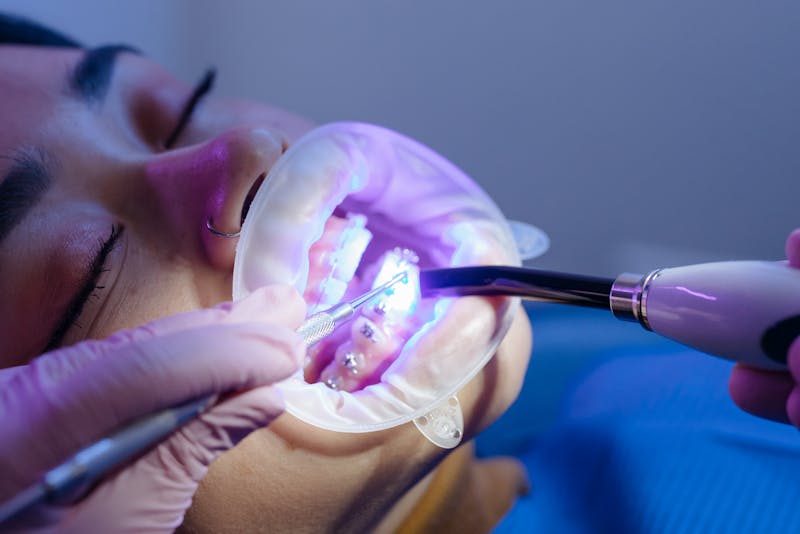
- Adults can successfully get braces to improve both smile aesthetics and oral health.
- Multiple options exist, including metal, ceramic, lingual braces, and clear aligners, each with unique benefits.
- Treatment duration varies, typically lasting 12–24 months depending on complexity.
- Proper oral hygiene and dietary adjustments are essential for effective results.
- Costs can vary widely, so it’s important to discuss payment options and insurance coverage.
- Regular check-ups and professional care are crucial to maintaining progress and preventing complications.
- Commitment and realistic expectations are key to a smooth and successful orthodontic journey.
Considering braces as an adult can feel intimidating, especially if you’re unsure what to expect from treatment, costs, or the lifestyle adjustments involved. Today, more adults are choosing to straighten their teeth not just for cosmetic improvement, but also for better oral health. Whether you want a more confident smile or need orthodontic correction for bite issues, understanding the process is the first step.
This guide covers everything you need to know before starting treatment, from types of braces to timelines, maintenance, and common concerns.
What Should Adults Expect When Getting Braces?
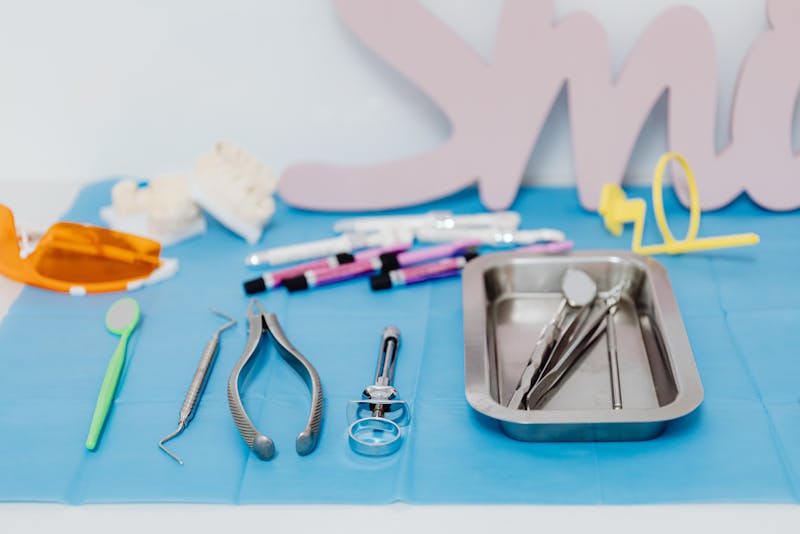
Starting orthodontic treatment as an adult comes with a mix of excitement and uncertainty. Many adults worry about discomfort, visibility, and treatment duration, but advances in orthodontics have made the process far more comfortable than it used to be. Today, you can choose from different types of braces that suit your lifestyle, including options that are discreet or removable. Before beginning treatment, it’s important to know what the journey will look like so you can prepare both physically and financially.
During an initial consultation, your orthodontist will assess your teeth, gums, and bite. Adults may require additional dental work, such as fillings or cleanings, before braces are installed. The adjustment period usually lasts a week or two, during which you may experience minor soreness. With proper care and regular appointments, the process becomes routine and easier over time.
Dental Braces for Adults: Types and Options You Can Choose From
Adults today are not limited to traditional metal braces. Orthodontic technology has expanded to include discreet and flexible options, making treatment more appealing and convenient. Understanding the types of braces available will help you choose the right option based on your personal preferences, lifestyle, and budget. Each type offers unique advantages, so it’s helpful to explore what works best for your daily needs.
Metal Braces
These are the most common and often the most affordable. They use metal brackets and wires to straighten teeth, offering strong and consistent results. Despite their visibility, modern versions are smaller and more comfortable.
Ceramic Braces
Ceramic braces function like metal braces but use clear materials that resemble natural teeth. They are less noticeable, making them a popular option for adults who want a more discreet option while still achieving precise alignment.
Lingual Braces
Placed behind the teeth, lingual braces deliver effective results but may require more adjustment time and higher costs due to the customization needed.
Clear Aligners
Clear aligners are removable trays that gradually move teeth. They are ideal for adults who want flexibility and minimal visibility, though they require discipline to wear consistently.
How Long Does Treatment Usually Take?
Adults often wonder how long they will need to wear braces, and the answer depends on the complexity of the case. While many adults complete treatment in about 12 to 24 months, some may finish sooner, and others may need more time. Factors such as bite issues, overcrowding, and previous dental work can influence your timeline. Because adults have fully developed bones, movement can be slower than in teenagers, but results remain just as effective.
Regular check-ups are essential to maintain progress and ensure adjustments are working as planned. Missing appointments or not following recommended care can lengthen treatment time. With proper discipline and good oral hygiene, many adults complete their orthodontic journey smoothly and on schedule.
What to Consider Before Starting Treatment
Before committing to braces, it helps to evaluate your expectations, lifestyle, and budget. Adult orthodontic treatment is a long-term investment, so understanding the process will help you make a confident decision. Think about how braces will affect your daily routines, from eating and speaking to cleaning and dental hygiene. It’s also important to ask your orthodontist about payment plans or insurance options, especially if you’re budgeting or wondering how much braces cost.
Here are a few things to keep in mind:
- Your dental health must be stable before getting braces.
- Gum disease or untreated cavities need to be addressed first.
- You must be willing to follow dietary restrictions for certain brace types.
- Oral hygiene becomes more important than ever.
- Commitment to follow-up visits is essential for success.
How to Take Care of Braces as an Adult
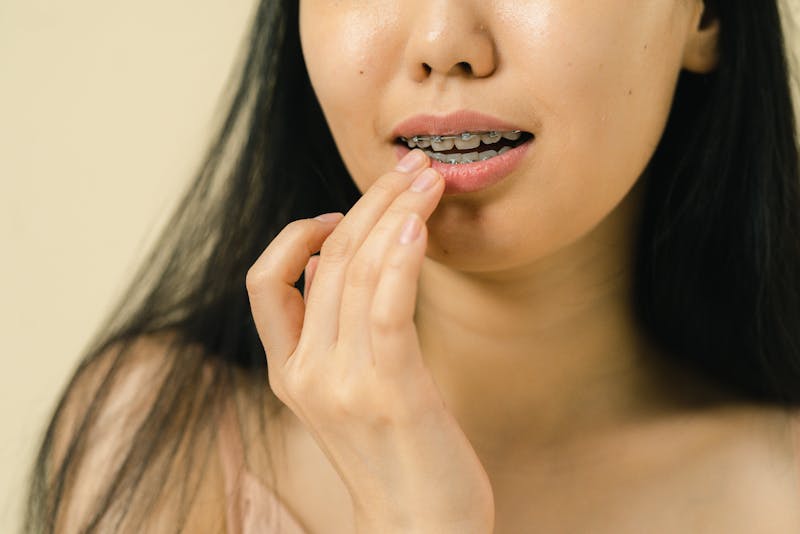
Taking care of your braces is crucial in ensuring both comfort and effective results. Adults often have busier schedules, so maintaining a routine is key. Proper cleaning prevents plaque buildup, stains, and gum problems, all of which can affect your treatment. With a few small habits, you can keep your mouth healthy and your braces performing at their best.
Daily Maintenance Tips
- Brush your teeth after every meal.
- Use interdental brushes or floss threaders to clean between brackets.
- Avoid sticky, crunchy, or hard foods to protect brackets and wires.
- Rinse with mouthwash to help reduce plaque and inflammation.
Professional Care
Regular dental cleanings and orthodontic check-ups ensure your teeth and gums stay healthy throughout treatment. Inform your dentist about your braces so they can adjust their cleaning techniques as needed.
Conclusion
Getting braces as an adult is a meaningful step toward improving your smile and oral health. With a wide range of orthodontic options, clearer timelines, and better comfort than ever before, adults can now achieve their ideal smile with confidence. By understanding the process, considering lifestyle adjustments, and maintaining excellent oral hygiene, you’ll be able to enjoy the full benefits of braces. With the right preparation and mindset, your treatment journey can be smooth, rewarding, and transformative.