

- The type of orthodontic braces—metal, ceramic, lingual, or clear aligners—has a major impact on cost.
- Severity of dental issues determines treatment complexity, duration, and overall price.
- Treatment length affects the total cost due to more adjustments and follow-up visits.
- Location and orthodontist’s experience can influence fees, with urban areas and highly skilled professionals typically charging more.
- Patient age plays a role, as children often have shorter, less expensive treatment compared to adults.
- Additional costs, such as retainers, adjustments, or extra appliances, can add to the total expense.
Orthodontic treatment can transform your smile and improve dental health, but many patients hesitate because of cost concerns. Understanding what influences the price of braces or other orthodontic procedures can help you make informed decisions. The total cost is not just about the type of braces you choose—it depends on several factors ranging from the complexity of your dental issues to the duration of treatment.
In this article, we break down seven key factors that can affect the cost of orthodontic treatment, helping you plan financially and choose the right option for your needs.
1. Type of Orthodontic Braces
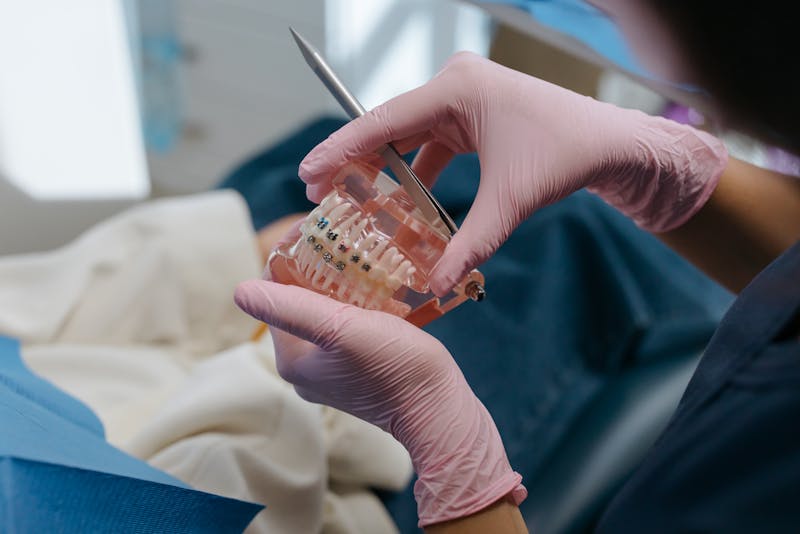
The type of orthodontic braces you choose has a major impact on overall treatment costs. Traditional metal braces are generally the most budget-friendly option, while alternatives like ceramic braces, lingual braces, and clear aligners (such as Invisalign) usually come with a higher price tag due to advanced materials and technology. The level of customization needed for your teeth also influences the final cost.
For example, clear aligners are designed to be removable and often require digital scans and 3D modeling, which can make them more expensive. Metal braces, in contrast, are simpler in design but may need more frequent office visits for adjustments. Understanding the benefits and drawbacks of each type can help you balance cost, convenience, and appearance when making your choice.
2. Severity of Dental Issues
The extent of your teeth misalignment directly affects the cost of orthodontic treatment. Minor crowding or gaps usually need fewer visits and a shorter treatment timeline, which keeps expenses relatively low. In contrast, significant misalignments, complex bite issues, or jaw irregularities often require extended treatment, resulting in higher overall costs.
Orthodontists may also need to use additional appliances like expanders, elastics, or retainers for complex cases. The more interventions required, the higher the cost. This is why your initial consultation and detailed assessment are essential—they allow your orthodontist to provide an accurate cost estimate.
3. Duration of Treatment
The length of your orthodontic treatment directly affects the final cost. Longer treatments require more visits, more adjustments, and extended use of braces or aligners. Typically, orthodontic treatment ranges from 12 to 36 months, depending on the complexity of your dental issues.
Shorter treatment plans can sometimes be more expensive per month if they involve faster correction methods or specialized appliances. It’s important to discuss the expected timeline with your orthodontist so you understand how duration impacts both cost and results.
4. Geographic Location and Clinic Reputation
Where you get your orthodontic treatment matters. Clinics in major cities or high-demand areas often charge more than those in smaller towns due to higher operational costs. In addition, highly experienced or reputable orthodontists may have higher fees compared to newer practitioners.
While cost is important, choosing a qualified professional ensures safe, effective treatment. Look for certified orthodontists with good patient reviews, as investing in a trusted provider can prevent complications and save money in the long run.
5. Age of the Patient
Age plays a role in both the choice of orthodontic treatment and its overall cost. Younger patients, like children and teens, often see quicker results since their teeth and jaws are still developing, potentially shortening the treatment duration. In contrast, adults may need extended treatment periods and sometimes additional procedures, such as tooth extractions or corrective jaw surgery, which can raise the total expense.
However, adults also have more options for discreet treatments like clear aligners or lingual braces, which are typically more expensive than traditional braces. Discussing your age-specific options with your orthodontist ensures a realistic understanding of cost and timeline.
6. Orthodontist’s Experience and Expertise
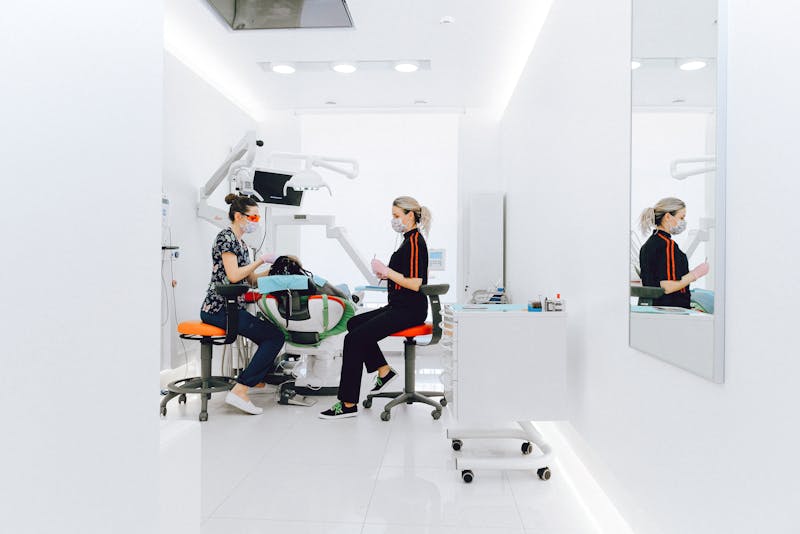
The skill and experience of your orthodontist affect both treatment quality and price. Highly experienced professionals often charge higher fees due to their advanced training, track record, and ability to handle complex cases.
While it may be tempting to choose a lower-cost provider, investing in a reputable orthodontist can reduce the risk of complications and treatment delays. Remember that orthodontic treatment is not just cosmetic—it affects your oral health for years to come.
7. Additional Costs and Follow-Ups
Finally, remember that the initial braces or aligner fee is not the only cost. Follow-up visits, adjustments, retainers, and possible repairs are additional expenses that can add up. Some clinics include these in the total treatment package, while others charge separately.
It’s wise to ask for a detailed cost breakdown during your consultation. This transparency helps you plan your budget and prevents unexpected expenses during your orthodontic journey.
Conclusion
Understanding these factors allows patients to make informed decisions, compare options, and plan financially for orthodontic treatment. Always consult with a qualified orthodontist to get an accurate estimate based on your unique needs.