Getting braces is a major step toward achieving a healthy, beautiful smile. While the prospect of straight teeth is exciting, committing to treatment requires careful consideration, time, and financial investment. Before embarking on this transformative journey, scheduling a consultation to clear up any uncertainties is vital. Asking the right questions ensures that you feel confident, informed, and aligned with your care provider every step of the way.
Understanding Your Personal Treatment Strategy
Every mouth is unique, meaning no two treatment plans look identical. During your initial visit, gaining a clear picture of what needs to be fixed and how it will be accomplished should be your top priority.
What Specific Issues Are We Fixing?
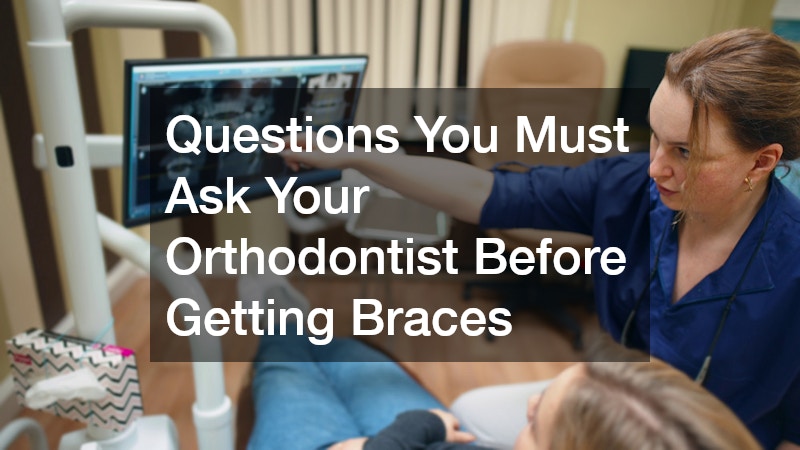
Start by asking about the exact alignment or bite issues present in your mouth. Whether dealing with overcrowding, gaps, an overbite, or a crossbite, understanding the underlying structure helps you grasp the purpose behind every adjustment. A thorough practitioner will walk you through digital scans or X-rays to visually explain what needs to change.
What Treatment Options Best Fit My Lifestyle?
Braces come in several forms today, ranging from traditional metal brackets to clear ceramic options and lingual braces placed behind the teeth. Ask which materials are best suited for your specific alignment needs. Some complex cases require traditional metal appliances for maximum control, while mild to moderate adjustments might allow for less noticeable alternatives. Knowing your options empowers you to select a solution that matches your aesthetic preferences and daily habits.
Managing Timeline and Daily Expectations
Knowing what life will look like with braces helps reduce anxiety and allows for proper planning around work, school, and social events.
How Long Will Treatment Take?
Treatment length varies significantly from person to person. While the average duration spans anywhere from eighteen to thirty months, asking for a realistic estimate tailored to your mouth sets practical expectations. Additionally, inquire about factors that could speed up or delay progress, such as wearing rubber bands consistently or keeping up with routine appointments.
What Lifestyle Changes Should I Prepare For?
Adopting braces means making subtle adjustments to your everyday routine. Ask about dietary restrictions, such as avoiding sticky, hard, or overly chewy foods that can break brackets. It is also wise to discuss home hygiene. Caring for teeth with brackets and wires requires specialized tools like interdental brushes or water flossers, so getting practical maintenance tips early on prevents plaque buildup and white spot lesions.
Managing Comfort and Pain Expectations
Understanding how to navigate physical discomfort ensures a smoother transition during the initial adjustment phase.
How Can I Manage Sensitivity and Discomfort?
It is natural to experience slight soreness after getting brackets fitted or wires tightened. Ask about safe over-the-counter pain relievers, soothing oral rinses, and proper application of relief wax to protect your cheeks and gums from irritation.
What Should I Do If a Bracket Comes Loose?
Inquire about the protocol for minor mishaps between routine appointments. Learning how to temporarily secure a loose piece or cover a bothersome wire at home keeps you comfortable until you can visit the clinic for repairs.
Clarifying Financial Investment and Payment Models
The financial aspect of orthodontic care is often one of the largest considerations for patients and families. Clear communication about costs up front prevents unexpected financial surprises down the line.
What Is Included in the Total Cost?
Always request a comprehensive breakdown of the overall price. Ask whether the quote covers every single visit, emergency repairs for broken wires, initial retainers, and follow-up retention care. Sometimes a quote only covers the active phase of treatment, leaving patients surprised by separate fees for retainers or post-treatment checkups.
What Financial Arrangements Are Available?
Many practices offer flexible monthly payment plans, interest-free financing, or discounts for paying in full upfront. If you have dental insurance, ask if the staff assists with filing claims to maximize your benefit. Clarifying these details early ensures the financial commitment fits comfortably within your household budget.
Preparing for Emergency Care and Post-Treatment
Long-term success depends not just on the active period of wearing braces, but also on how unexpected issues are handled and how results are maintained afterward.
How Are Emergencies Handled Outside Regular Hours?
Loose brackets, poking wires, and sudden discomfort can happen unexpectedly. Ask how the office handles emergency situations that occur on weekends or after hours. Knowing who to call and what steps to take at home for temporary relief gives you peace of mind throughout the process.
What Does the Retention Phase Look Like?
The day your braces come off is a huge milestone, but it is not the end of your smile journey. Teeth naturally want to shift back toward their original positions over time. Ask about the type of retainers recommended, how frequently they must be worn, and how long the retention phase lasts. Understanding post-braces care guarantees that your newly aligned smile stays straight for a lifetime.
Taking the time to ask these essential questions bridges the gap between patient expectations and clinical outcomes. By partnering openly with your orthodontics specialist, you get a more predictable experience from your very first appointment to the day you reveal your final smile.