

- The cost of braces varies widely based on the type of braces, treatment complexity, and length of treatment.
- Additional appliances, maintenance, and follow-up visits can significantly increase the total cost.
- Geographic location and orthodontist expertise greatly influence pricing.
- Dental insurance and payment plans can help reduce out-of-pocket expenses.
- Understanding the full cost breakdown helps you choose the right treatment and avoid hidden fees.
Choosing to get braces is a big step, whether you are fixing long-term bite issues or simply improving your smile. For most people, the biggest question that comes up early in the process is: how much do braces cost? While the short answer varies depending on your location, your orthodontist, and the type of treatment you choose, the long answer becomes clearer when you understand the factors that influence your final bill. Braces are an investment, and knowing what affects the total cost can help you plan more confidently and avoid unnecessary surprises.
In this comprehensive guide, you will learn about the ten major elements that shape the price of braces, from the severity of your dental issues to follow-up care after treatment. Each factor will help you understand exactly where your money goes and how you can make smarter financial decisions.
Whether you are considering braces for yourself, your child, or simply exploring your options, this article provides a practical breakdown of everything you need to know before committing to orthodontic treatment.
1. Understanding the Average Cost of Braces
Before diving into the specific cost factors, it helps to know the general price range for different types of braces. Traditional metal braces typically cost between 3,000 and 7,000, depending on various considerations such as treatment length and geographical location. Ceramic braces, known for their subtle appearance, tend to fall between 4,000 and 8,500. Meanwhile, lingual braces and Invisalign are often the most expensive options due to their customization and advanced technology.
Because pricing can vary widely, it is important to treat these numbers as estimates rather than exact figures. Factors like insurance coverage, payment plans, and orthodontic adjustments also contribute to the final cost. By understanding these averages upfront, you can better assess the value of different treatment options and determine which one aligns with your budget, lifestyle, and long-term dental goals.
2. How Does the Type of Braces Affect the Cost?
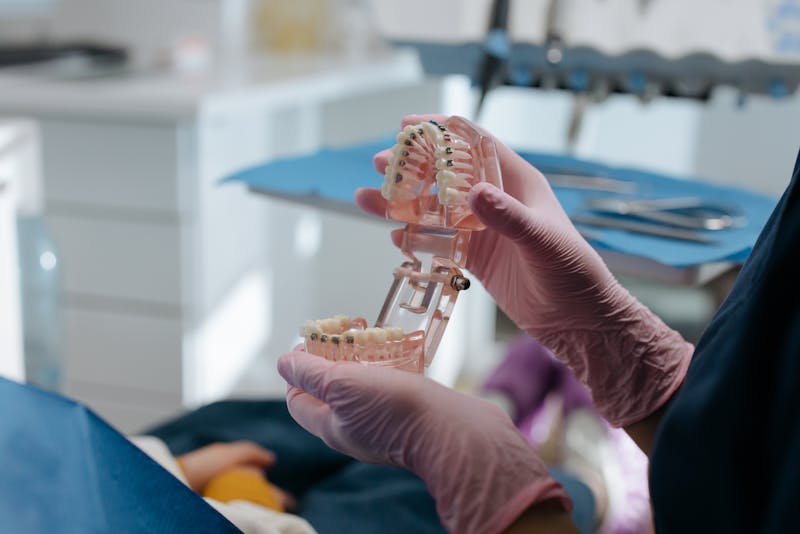
The type of braces you choose plays a major role in determining how much you will pay overall. Each type has its own advantages, level of visibility, and price point. Metal braces are usually the most affordable and widely recommended for moderate to complex cases. They are durable, reliable, and consistently effective for patients of all ages, making them a common choice for many orthodontic treatments.
Ceramic braces, on the other hand, offer aesthetic benefits because they blend in better with your natural teeth. However, they can be more expensive due to the materials used and the additional care required to prevent staining. Lingual braces, which are placed behind your teeth, are typically the priciest because they require specialized training and precision. Invisalign and other clear aligners also cost more because of advanced digital planning and multiple sets of customized trays. Each option affects both cost and comfort, so it’s crucial to evaluate your priorities before making a decision.
3. How the Severity of Dental Issues Impacts Cost
The complexity of your dental condition is one of the biggest contributors to the overall cost of braces. Mild cases such as minor crowding or small spacing issues generally require shorter and less intensive treatment, which reduces the overall price. More severe issues, like deep overbites, underbites, crossbites, or significant misalignment, require more adjustments, longer treatment times, and sometimes additional appliances.
When the condition is more complex, orthodontists need to use more advanced techniques and schedule more frequent visits. This naturally increases the final cost compared to simpler cases. Patients with severe misalignment may also need supplementary treatments, including tooth extractions, palate expanders, or elastics, which add to the overall expense. Understanding the severity of your condition is essential because it helps you anticipate both the time and financial commitment required to achieve optimal results.
4. Treatment Duration: Why Longer Treatment Means Higher Costs
The length of your orthodontic treatment directly influences how much you will pay. Shorter treatments typically involve fewer appointments, fewer adjustments, and fewer materials. On the other hand, longer treatments require more maintenance and more frequent monitoring, which increases the overall cost. For most patients, braces stay on for 18 to 36 months, depending on the complexity of the case.
Longer treatment may also lead to additional costs if appliances need repairing or replacing. For example, brackets can break, or wires may need to be replaced throughout your treatment journey. Orthodontists also account for the ongoing time and resources required to ensure consistent results. Patients who follow their orthodontist’s instructions carefully often complete treatment faster, which may reduce costs in the long run. Staying committed to good oral hygiene and avoiding foods that can damage your braces can help shorten your treatment period.
5. Geographic Location and How It Affects Pricing
Where you live significantly affects how much braces cost. Urban areas and major cities typically have higher prices due to increased operating expenses for clinics. Rent, staff salaries, and advanced equipment requirements all play a role in raising treatment costs in metropolitan settings. As a result, orthodontic treatments in large cities may cost significantly more compared to suburban or rural areas.
In contrast, smaller towns or regions with lower overhead costs generally offer more affordable braces. However, these areas may have fewer orthodontists, which can limit your options. The availability of specialists can also influence pricing. Locations with many orthodontists often have competitive pricing, while a scarcity of specialists may drive rates higher. Considering location when planning your treatment can help you find an orthodontist who fits your budget without compromising quality.
6. Orthodontist Experience and Credentials: Do They Affect Cost?
The level of expertise and experience your orthodontist has can impact how much you pay for treatment. Orthodontists with extensive training, decades of experience, or special certifications may charge more because they offer advanced knowledge and a higher level of precision. Patients often feel more confident with a seasoned professional, especially when dealing with complex dental issues.
However, higher cost does not always mean higher quality. Many newer orthodontists provide excellent care at more affordable rates. The key is to research your orthodontist’s training, patient reviews, and treatment approach. In some cases, orthodontists who use specialized technology or advanced systems may also charge higher fees. Ultimately, choosing a skilled orthodontist is an investment in both your health and long-term results, but it’s important to balance expertise with your budget.
7. Additional Appliances and Their Impact on the Final Price
Some orthodontic cases require more than just braces to achieve optimal results. Depending on your condition, your orthodontist may recommend additional appliances such as spacers, expanders, retainers, or headgear. These supplementary devices can add to your overall treatment cost, especially if they are needed for an extended period. Each appliance serves a specific purpose and is customized to your dental needs.
For example, palate expanders are often used to widen the upper jaw in younger patients. These can increase the total price because they involve extra planning and materials. Retainers are another essential component, typically required after braces are removed to maintain the alignment of your teeth. Some offices include retainers in the overall cost, while others charge separately. Understanding the need for additional appliances helps you anticipate costs beyond the braces themselves and ensures there are no unexpected expenses down the road.
8. Insurance Coverage and Out-of-Pocket Expenses
Dental insurance can significantly reduce the cost of braces, but coverage varies depending on your plan. Some insurance policies cover a percentage of orthodontic treatment, while others limit coverage to patients under a certain age. Many plans also have a lifetime orthodontic benefit cap, which restricts how much they will pay. Reviewing your insurance policy in detail can help you determine how much you will pay out of pocket.
If your insurance covers braces, the reduction in cost can be substantial, but you may still need to pay for consultations, X-rays, or follow-up adjustments. Additionally, some insurance plans only cover traditional metal braces and may not include cosmetic options like ceramic or lingual braces. If you lack insurance, many orthodontic clinics offer financing options such as monthly payment plans. Exploring these options early ensures you can manage your budget without delaying necessary treatment.
9. Maintenance, Adjustments, and Follow-Up Care
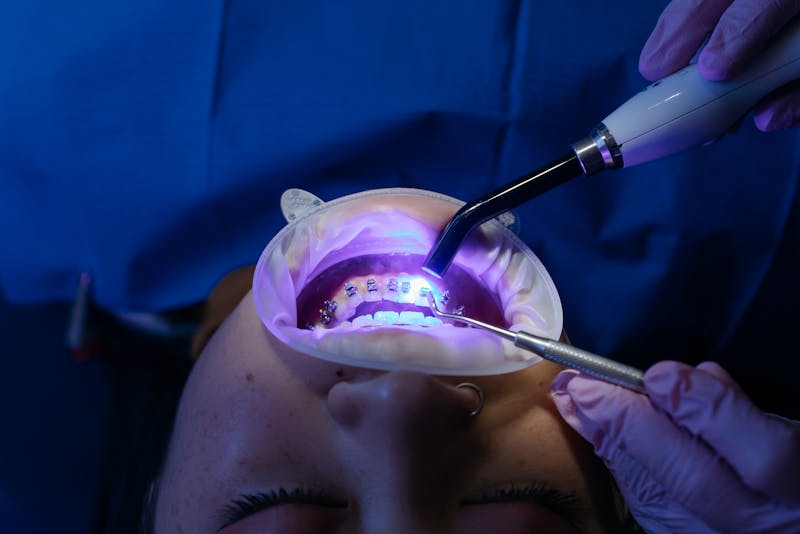
Once braces are in place, your treatment requires ongoing maintenance. Orthodontic adjustments typically occur every four to eight weeks. These visits allow your orthodontist to tighten wires, replace bands, or assess the progress of your alignment. While some clinics include adjustments in the total treatment cost, others charge separately. Understanding whether follow-up appointments are included can help you estimate your long-term expenses.
Maintenance also includes preventing damage to your braces. If brackets or wires break, you may incur additional charges for repairs. Good oral hygiene is crucial for preventing cavities, staining, and gum issues during treatment, all of which can lead to extra dental visits. After the braces are removed, retainers are necessary to maintain your teeth’s new position. These retainers may come with their own cost, particularly if replacements are needed. Proper maintenance helps ensure long-lasting results and prevents unexpected financial burdens.
10. Your Total Budget: How to Estimate Your Full Cost of Braces
Before committing to braces, it’s helpful to create an estimated budget that includes every phase of treatment. Consider the initial consultation, diagnostic tests, monthly adjustments, potential repairs, and follow-up care. This holistic view will help you understand the full financial commitment rather than just the base price of the braces themselves. Many orthodontists provide cost breakdowns to help patients plan effectively.
Payment options can also influence how manageable the expense feels. Some clinics offer discounts for upfront payments, while others provide affordable monthly plans. Ask your orthodontist about available packages, what they include, and whether there are any hidden charges. Knowing the complete cost from start to finish enables you to make informed decisions, compare offers, and choose the orthodontic plan that fits your needs and financial situation.
Conclusion
Braces are a meaningful investment in your oral health, confidence, and long-term well-being. While many people initially ask how much braces cost, the final amount depends on a wide range of factors, including the type of braces, the severity of dental issues, treatment length, and insurance coverage. By understanding these ten cost factors, you can better prepare for your orthodontic journey and avoid unexpected expenses.
The more informed you are, the easier it becomes to choose the right orthodontist, treatment option, and payment plan. With the right knowledge, you can move forward confidently and enjoy the lasting benefits of a healthier, straighter smile.