
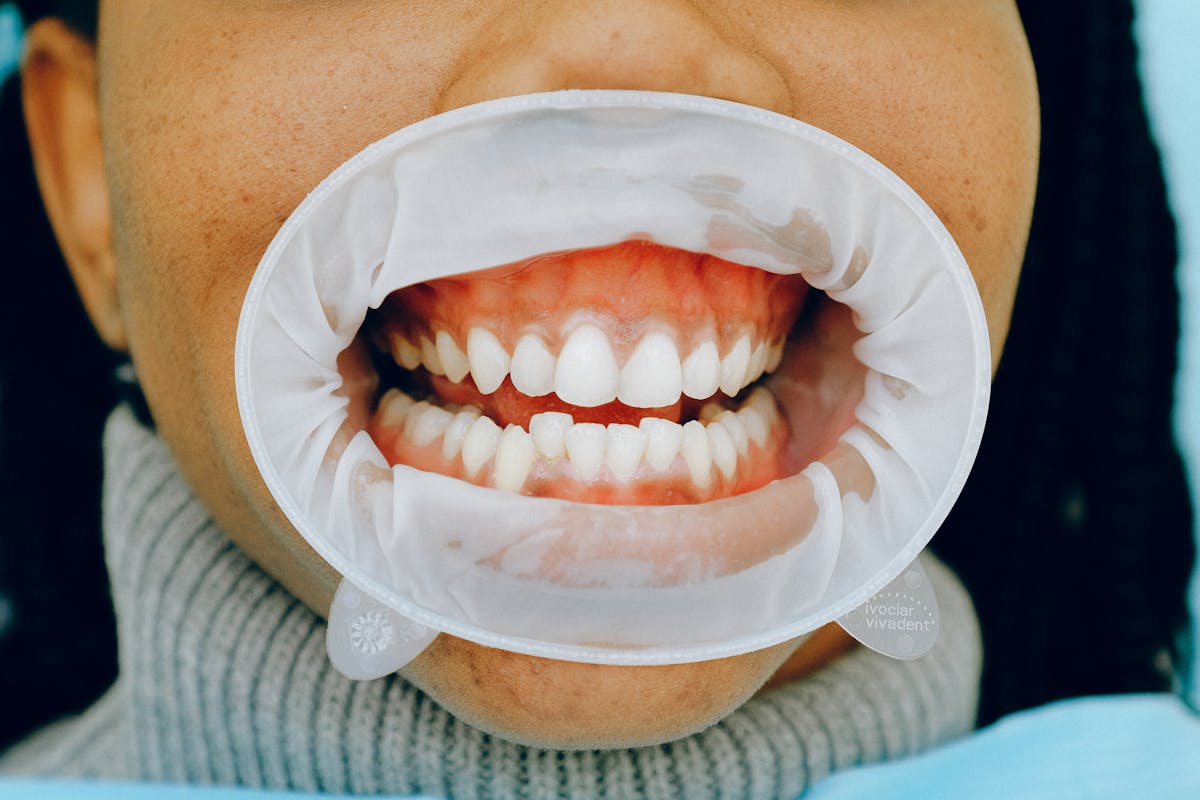
- Misaligned teeth can cause more than cosmetic issues—they can lead to cavities, gum disease, jaw pain, and speech problems.
- Common types of misalignment include overcrowding, overbites, underbites, crossbites, and open bites, each with unique oral health implications.
- Difficulty cleaning misaligned teeth increases the risk of tooth decay and gum disease if left untreated.
- Ignoring misaligned teeth can result in long-term consequences such as chronic dental problems, TMJ disorders, and even systemic health issues.
- Early detection, preventive habits, and timely orthodontic treatment simplify correction and improve long-term oral health.
- Modern solutions like braces, clear aligners, retainers, and, in severe cases, surgery can effectively correct misaligned teeth.
- Maintaining regular dental check-ups and monitoring childhood dental development can help prevent severe misalignment later in life.
Misaligned teeth, also known as malocclusion, are more than just a cosmetic concern. They can affect oral health, overall well-being, and even self-confidence. Many people overlook these issues, assuming that crooked teeth are only a visual problem. However, misalignment can lead to a range of dental complications if left untreated. Understanding the causes, problems, and solutions for misaligned teeth is essential for maintaining healthy teeth and gums throughout your life.
This article explores the most common misaligned teeth problems, how they affect oral health, and the long-term consequences of ignoring them. It also offers guidance on recognizing the warning signs and seeking timely treatment.
What Causes Misaligned Teeth?
Misaligned teeth can develop due to a combination of genetic, environmental, and behavioral factors. Identifying the root cause is crucial for preventing further complications and determining the most effective treatment.
Some of the common causes include:
- Genetics: If your parents had crooked teeth or jaw misalignment, you might inherit similar traits.
- Childhood Habits: Thumb-sucking, prolonged pacifier use, or tongue thrusting can affect the alignment of teeth.
- Early Tooth Loss: Losing baby teeth too early can cause permanent teeth to erupt improperly.
- Jaw Size and Shape: A mismatch between jaw size and teeth can lead to overcrowding or spacing issues.
- Injury or Trauma: Accidents affecting the mouth or jaw can shift teeth out of alignment.
Understanding these causes can help in taking preventive measures early, especially during childhood when teeth and jaws are still developing. Regular dental check-ups can help detect potential misalignment before it worsens.
Types of Misaligned Teeth Problems
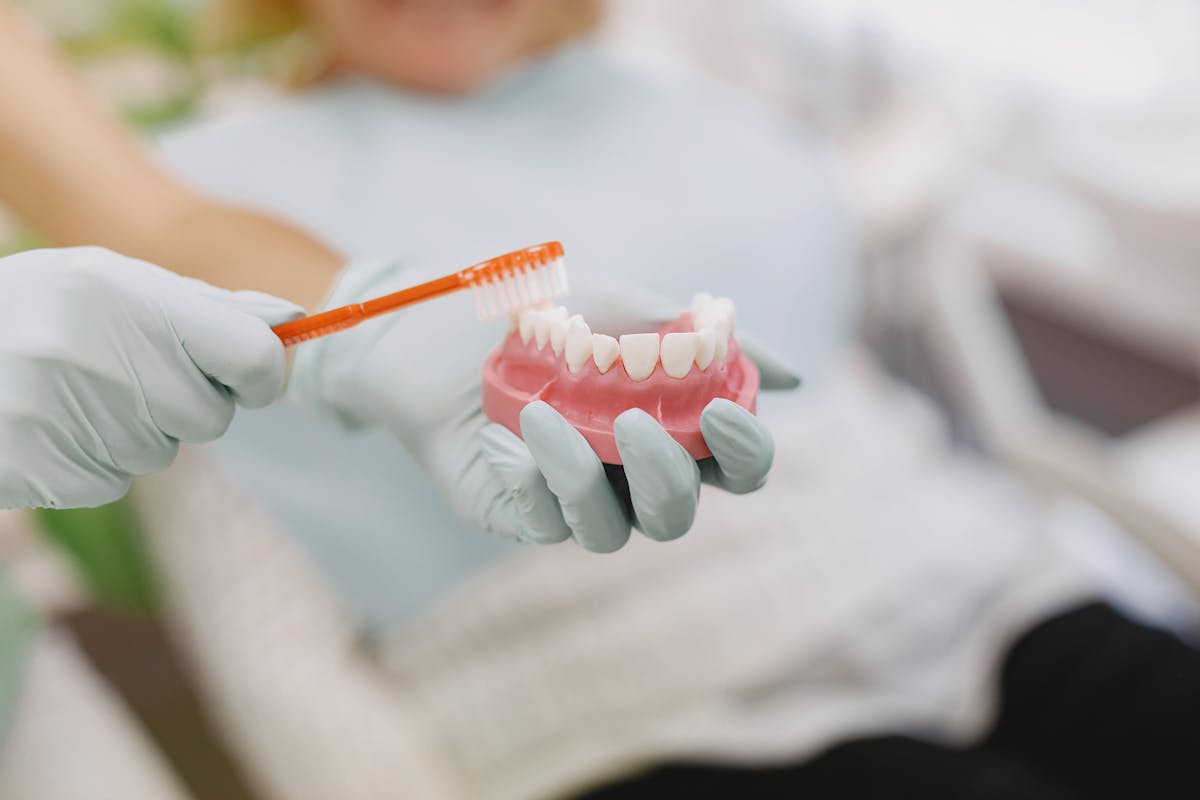
Misaligned teeth can appear in different forms, each with its own unique challenges and health implications. Recognizing these types can help in diagnosing the problem accurately and selecting the right treatment.
Overcrowding
Overcrowding occurs when there isn’t enough space in the jaw for all teeth to fit correctly. This can cause teeth to overlap or twist, making cleaning difficult. Overcrowded teeth are prone to plaque buildup, cavities, and gum disease.
Overbite and Underbite
An overbite is a dental condition in which the top front teeth protrude significantly over the bottom teeth, whereas an underbite occurs when the lower teeth project past the upper teeth. These misalignments can cause uneven tooth wear, jaw discomfort, and challenges with chewing or speaking.
Crossbite
A crossbite is when some upper teeth sit inside the lower teeth when biting down. This misalignment can cause enamel erosion, gum disease, and jaw discomfort if untreated.
Open Bite
An open bite refers to a gap between the upper and lower teeth when the mouth is closed. This can lead to speech difficulties, chewing problems, and increased stress on the jaw muscles.
How Misaligned Teeth Problems Affect Oral Health
Misaligned teeth don’t just affect the appearance of your smile—they have real consequences for oral health. If untreated, they can create challenges that affect daily activities, including eating, speaking, and maintaining oral hygiene.
Difficulty Cleaning Teeth
Crooked or overlapping teeth can make brushing and flossing less effective. This increases the risk of plaque buildup, cavities, and gum disease. Missing these hard-to-reach areas can lead to chronic dental problems over time.
Increased Risk of Tooth Decay and Gum Disease
When teeth are misaligned, bacteria and food particles can accumulate in areas that are difficult to clean. This can lead to tooth decay, gingivitis, and, eventually, periodontitis if left untreated.
Speech and Chewing Problems
Misaligned teeth can affect the way you pronounce words and chew food. Overbites, underbites, and open bites can lead to lisping or difficulty biting and chewing properly, impacting nutrition and confidence.
Jaw Pain and TMJ Disorders
Misalignment can put extra stress on the jaw joint (temporomandibular joint), causing jaw pain, headaches, and even TMJ disorders. These problems may worsen over time if the teeth are not corrected.
Wear and Tear
Crooked teeth can lead to uneven pressure during biting and chewing, causing premature wear on tooth enamel. Over time, this can result in fractures, sensitivity, or even tooth loss.
The Long-Term Effects of Ignoring Misaligned Teeth Problems
Failing to address misaligned teeth can result in significant long-term health issues. While some people may tolerate crooked teeth for years, untreated malocclusion often leads to worsening complications.
Chronic Dental Problems
Without intervention, misaligned teeth increase the likelihood of chronic cavities, gum disease, and enamel erosion. These problems can be expensive and invasive to treat in later years.
Jaw Dysfunction and Pain
Misalignment alters the way your jaw functions. Over time, this can lead to chronic jaw pain, headaches, and TMJ disorders, which may require surgery in severe cases.
Impact on Overall Health
Poor oral health is linked to systemic conditions such as heart disease, diabetes, and respiratory infections. Misaligned teeth, by increasing the risk of gum disease, may indirectly contribute to these health issues.
Reduced Self-Confidence
Crooked teeth can affect the way people feel about their smile and overall appearance. This can influence social interactions, professional opportunities, and mental well-being.
Complicated Future Treatments
The longer misaligned teeth go untreated, the more complex and costly future treatments become. Early intervention can prevent severe malocclusion and simplify orthodontic care.
Signs You Might Have Misaligned Teeth
Recognizing misaligned teeth early can save time, money, and prevent future complications. Common signs include:
- Difficulty biting or chewing
- Frequent biting of the inside of the cheek or tongue
- Speech difficulties, such as lisping
- Visible crowding, gaps, or overlapping teeth
- Jaw pain, headaches, or TMJ discomfort
- Uneven wear on teeth or frequent chipping
If you notice these symptoms, a consultation with a dentist or orthodontist is recommended. Early detection often results in easier and faster treatment.
Treatment Options for Misaligned Teeth Problems
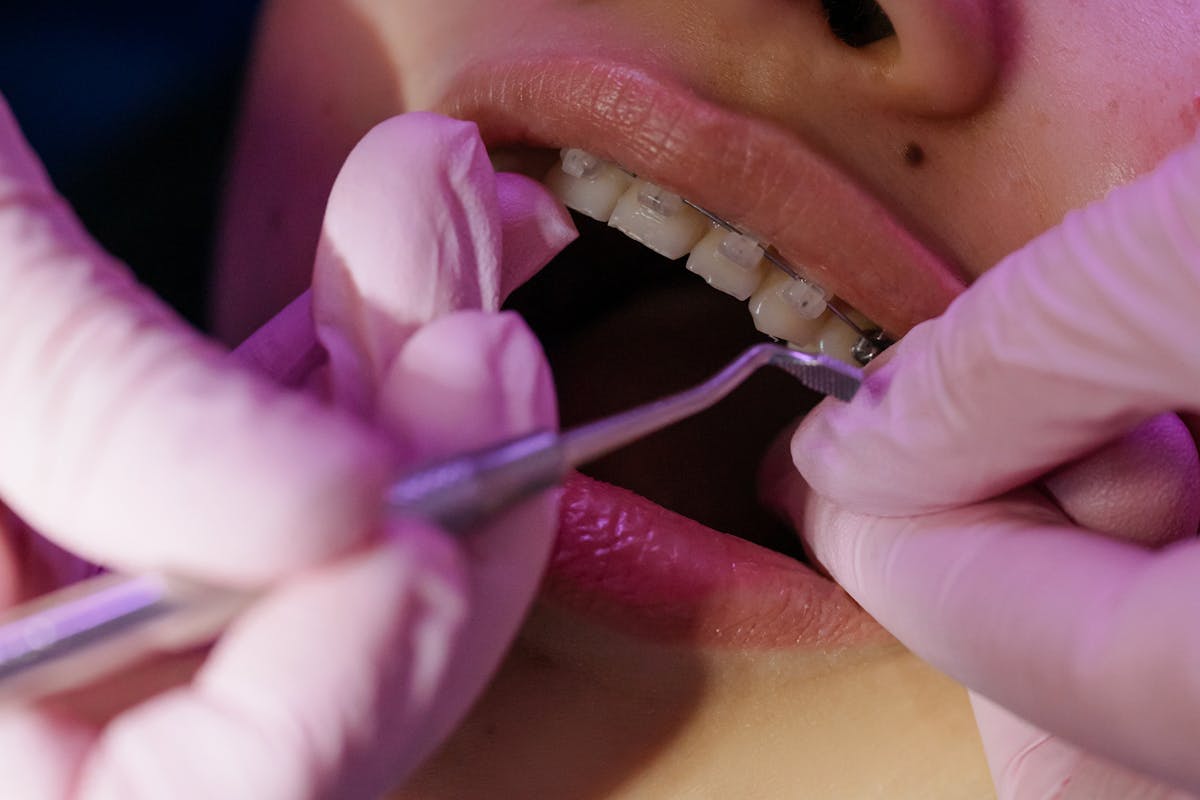
Modern dentistry offers a variety of solutions for misaligned teeth. The right treatment depends on the type and severity of the problem. When considering treatment, it’s important to understand the types of orthodontic braces available and how they work for different misalignment issues.
- Braces: Traditional metal braces are highly effective for correcting severe misalignment. They gradually move teeth into the proper position over 18–36 months. Orthodontists may recommend specific types of orthodontic braces, such as ceramic or lingual braces, depending on the patient’s needs and preferences.
- Clear Aligners: Clear aligners, such as Invisalign, offer a discreet alternative to metal braces. They are removable and suitable for mild to moderate misalignment.
- Retainers: Retainers are often used after braces or aligners to maintain teeth in their new position. Some mild misalignment cases can be corrected with retainer therapy alone.
- Orthognathic Surgery: In cases of severe jaw misalignment, surgery may be necessary to correct the jaw’s structure. This is often combined with orthodontic treatment before and after surgery.
- Tooth Extraction: For overcrowding, removing one or more teeth may be recommended to create space for proper alignment. This is usually followed by braces or aligners.
It’s also essential to consider the cost of orthodontic treatment, which can vary widely depending on the severity of misalignment, the type of braces or aligners chosen, and the duration of treatment. Consulting with a dental professional can help you understand both the most effective treatment plan and the associated costs.
Preventing Misaligned Teeth Problems
While genetics play a major role, some misaligned teeth problems can be prevented or minimized through early care.
- Regular Dental Check-Ups: Early detection in children can prevent severe malocclusion.
- Limit Harmful Habits: Avoid prolonged thumb-sucking, pacifier use, or tongue thrusting.
- Maintain Oral Hygiene: Proper brushing and flossing help prevent complications caused by misalignment.
- Use Mouthguards: Protect teeth from injury during sports or activities that could cause trauma.
- Early Orthodontic Consultation: Children as young as 7 can benefit from an orthodontic assessment to prevent future issues.
Misaligned Teeth Problems and Oral Health: Key Takeaways
- Misaligned teeth can lead to cavities, gum disease, and enamel wear.
- Overbites, underbites, and crossbites affect chewing, speech, and jaw health.
- Untreated malocclusion may result in chronic dental problems and TMJ disorders.
- Early detection and intervention simplify treatment and prevent long-term complications.
- Modern orthodontic solutions, including braces and aligners, can effectively correct misaligned teeth.
Conclusion
Misaligned teeth problems are more than a cosmetic issue—they directly affect oral health and overall well-being. From difficulty cleaning teeth to jaw pain and systemic health concerns, the long-term effects of ignoring malocclusion can be significant. By understanding the causes, recognizing the signs, and seeking timely treatment, you can protect your smile and improve your quality of life. Whether through braces, clear aligners, or preventive care, addressing misaligned teeth early is essential for maintaining healthy teeth, gums, and confidence.
Investing in dental health today prevents complex, costly, and painful problems in the future. If you suspect you have misaligned teeth, schedule a consultation with your dentist or orthodontist and take the first step toward a healthier, straighter smile.