
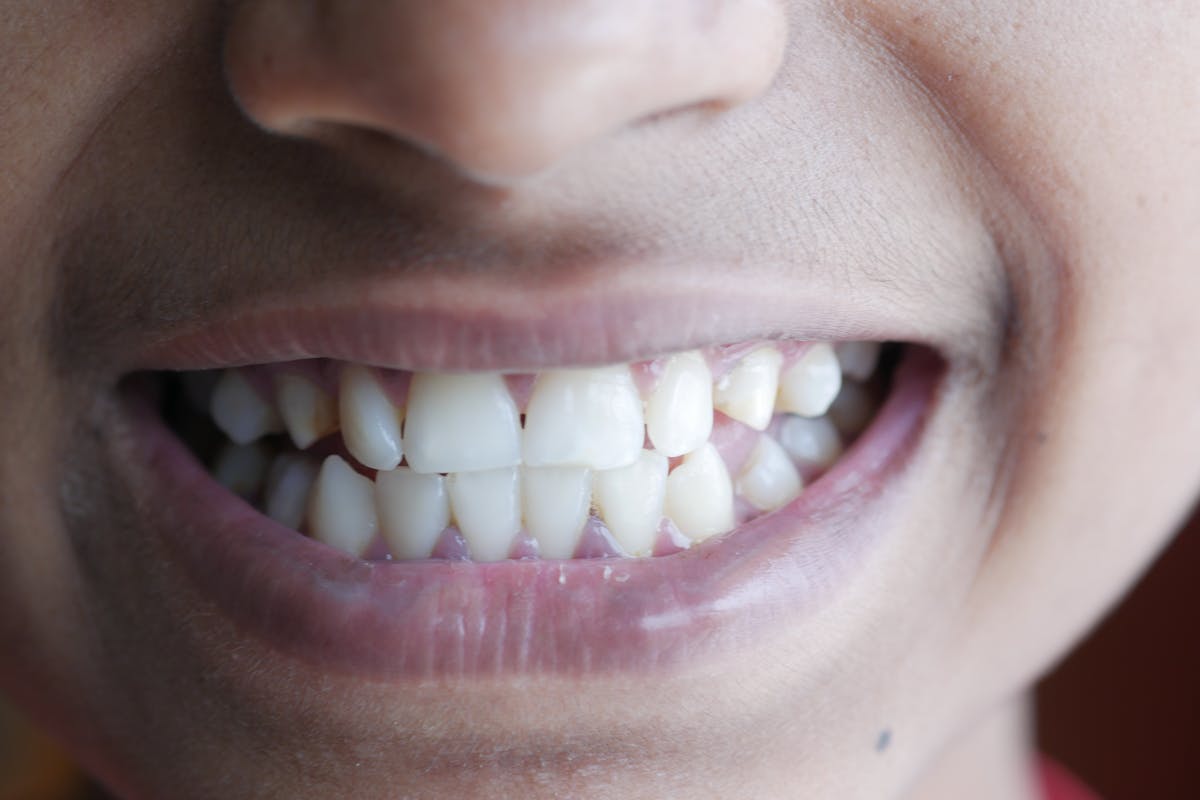
- Misaligned front teeth are not just cosmetic—they can affect chewing, speech, and oral health.
- Common causes include genetics, childhood habits, early tooth loss, trauma, and poor oral habits.
- Symptoms may include crowding, bite issues, jaw discomfort, speech difficulties, and uneven tooth wear.
- Untreated misalignment can lead to gum disease, tooth decay, jaw pain, and lowered self-confidence.
- Early intervention through braces, Invisalign, or cosmetic treatments can prevent long-term complications.
- Maintaining proper oral hygiene is essential, as crooked teeth can be harder to clean effectively.
- Consulting a dentist or orthodontist early improves treatment outcomes and overall oral health.
Misaligned front teeth are a common dental concern that affects both children and adults. While some people may view crooked teeth as a cosmetic issue, misalignment can have more serious implications for oral health and overall well-being. Understanding the symptoms, causes, and risks associated with misaligned front teeth is essential for early intervention and effective treatment.
In this article, we explore the factors that contribute to misalignment, the potential long-term effects, and what you can do to prevent or address this dental issue.
What Are Misaligned Front Teeth?

Misaligned front teeth refer to teeth that are not properly aligned when the mouth is closed. This can include crowding, overlapping, protrusion, or spacing between the teeth. Misalignment can occur due to various factors such as genetics, habits, or environmental influences during childhood development.
When teeth do not align correctly, it can affect the bite, making it difficult to chew or speak properly. In addition, misaligned teeth may create areas that are harder to clean, increasing the risk of plaque buildup, cavities, and gum disease. Understanding the nature of misaligned front teeth is the first step in identifying potential treatments and preventing complications.
Symptoms of Misaligned Front Teeth
Identifying misaligned front teeth early can help prevent long-term dental problems. Common symptoms include:
- Visible Crowding or Overlapping: Teeth may appear crowded or overlap, especially in the front of the mouth.
- Bite Issues: Difficulty biting or chewing food properly due to improper alignment.
- Jaw Discomfort: Misaligned teeth can cause strain on the jaw muscles, leading to pain or tension.
- Speech Difficulties: Crooked front teeth may affect pronunciation or create a lisp.
- Increased Wear and Tear: Teeth may wear unevenly due to misalignment.
If you notice any of these signs, it’s important to consult a dentist or orthodontist for a proper evaluation. Early detection can make corrective treatments more effective and less invasive.
Common Causes of Misaligned Front Teeth
- Understanding what leads to misaligned front teeth is key to both preventing and correcting the problem. Several factors can play a role:
- Genetics: Family history often influences tooth alignment, making hereditary traits a major contributor to crooked teeth.
- Prolonged Thumb Sucking or Pacifier Use: Extended habits during childhood, like thumb sucking or using a pacifier, can push teeth out of their natural position.
- Early Loss of Baby Teeth: When primary teeth fall out too soon, permanent teeth may drift or emerge incorrectly.
- Injuries or Trauma: Accidents that affect the jaw or teeth can result in teeth shifting or misalignment.
- Oral Habits: Behaviors such as mouth breathing, tongue thrusting, or improper chewing can gradually disrupt how teeth line up.
- Jaw Pain and TMJ Problems: Misaligned teeth can strain jaw muscles, sometimes causing temporomandibular joint (TMJ) discomfort.
- Chewing and Digestion Challenges: Crooked teeth can make chewing less efficient, which may impact digestion.
- Speech Difficulties: Misalignment in the front teeth can interfere with the clear pronunciation of certain sounds.
By understanding these causes, individuals can take preventive measures or seek timely orthodontic care to minimize long-term problems.
Risks Associated With Misaligned Teeth Problems
Misaligned teeth problems go beyond aesthetics—they can impact both oral health and everyday life. Some common complications include:
- Higher Chances of Tooth Decay and Gum Issues: Teeth that are crooked or crowded are more difficult to clean properly, which can lead to plaque buildup and increase the risk of cavities and gum disease.
- Jaw Discomfort and TMJ Problems: Poor alignment can put extra strain on the jaw muscles, potentially resulting in temporomandibular joint (TMJ) pain or dysfunction.
- Chewing Difficulties and Digestive Concerns: When teeth don’t align correctly, chewing can be inefficient, which may negatively affect digestion.
- Speech Challenges: Misaligned front teeth can interfere with certain sounds, making clear pronunciation more difficult.
Ignoring misaligned front teeth can worsen these problems over time. Consulting a professional for early treatment reduces the risk of serious oral health complications.
Long-Term Effects of Untreated Misaligned Front Teeth
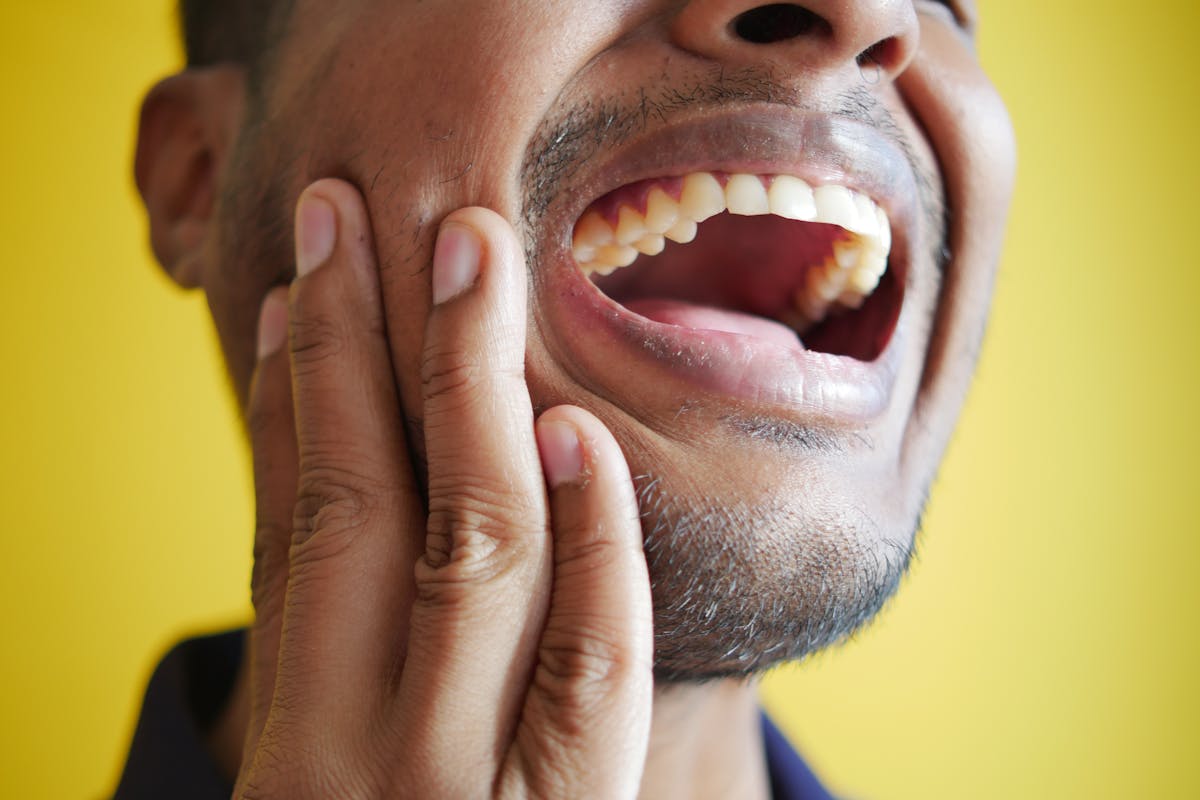
When left untreated, misaligned front teeth can lead to several long-term effects. These include:
- Accelerated Tooth Wear: Misaligned teeth can grind against each other unevenly, causing premature wear or fractures.
- Gum Recession: Crowded or crooked teeth can push against the gums, contributing to gum recession.
- Chronic Jaw Pain: Long-term misalignment can strain jaw muscles, leading to persistent pain or headaches.
- Lowered Self-Confidence: Many individuals feel self-conscious about crooked front teeth, impacting social interactions and self-esteem.
Addressing misalignment through orthodontic treatments or cosmetic dentistry can prevent these issues and improve overall oral health.
Treatment Options for Misaligned Front Teeth
Several effective treatments are available to correct misaligned front teeth:
- Braces: Traditional metal or ceramic braces gradually move teeth into proper alignment over time.
- Invisalign: Clear aligners offer a discreet alternative for adults and teens, providing flexibility and comfort.
- Dental Bonding or Veneers: Cosmetic solutions can correct minor misalignment and improve appearance.
- Retainers: Often used after orthodontic treatment to maintain the corrected position of teeth.
A dentist or orthodontist can evaluate your condition and recommend the most suitable option based on age, severity, and personal preferences.
Conclusion
Misaligned front teeth are more than just a cosmetic concern—they can have lasting impacts on oral health, function, and confidence. By understanding the symptoms, causes, risks, and long-term effects, individuals can take proactive steps to seek treatment and maintain a healthy, functional smile. Early intervention is key to preventing complications and ensuring that misaligned teeth problems do not interfere with daily life.